The Forgotten Fifth Crew Member: Winter Care for Your Dinghy Trailer
Every November there's a familiar scene in dinghy parks up and down the country. The boat comes out of the water, gets hosed down, flipped, inspected, and eventually tucked under a tarpaulin with the kind of ceremony usually reserved for a classic car. The trailer, meanwhile, is left where it was parked in September, quietly rusting in the corner.
That's the wrong way round. The trailer is the one piece of kit that can end a campaign before it starts, and it does so at the least convenient moment — on a hard shoulder, in the dark, twenty miles from the club, with the boat on the back and the first gun forty minutes away. Treating trailer maintenance as part of sailing preparation rather than an unrelated chore is the single cheapest performance upgrade available to most of us.
Why the trailer belongs in the campaign plan
Andrew's racing calendar always had a maintenance column next to the training column, and for good reason. A seized bearing or a dead light board doesn't just cost money; it costs a whole weekend, and occasionally a whole entry fee. With winter now properly set in across the UK, the months between November and March are the natural window to sort it — dry-ish, unhurried, and long before the first frosty winter series start line.
The good news is that almost all of it is simple. None of the checks below need a workshop, and most need nothing more than a jack, a spanner and an hour of daylight.
Bearings: the cheapest insurance in the dinghy park
Wheel bearings are the classic failure, and salt water is the reason. Every launch that dunks a warm hub into cold brine pulls water past the seal, and by the end of a season the grease has turned to a grey emulsion that does very little lubricating.
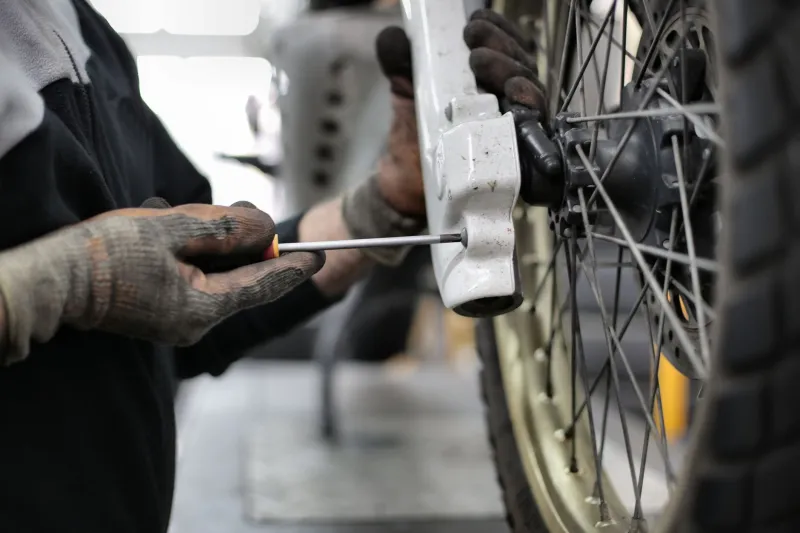
Jack the trailer up, spin each wheel by hand and listen. Grinding, rumbling or a wheel that rocks when you hold it at twelve and six o'clock means new bearings, not more grease. A set costs less than a set of battens and takes twenty minutes to fit. If you launch in salt water regularly, plan on repacking or replacing annually as a matter of routine rather than waiting for the noise.
Lights: the seven-pin lottery
Trailer electrics fail for two reasons: water in the plug and corrosion in the pins. Both are avoidable. Clean the pins, apply a little dielectric grease, and test the whole board — indicators, brake lights, tail lights and the number plate lamp — with a spare battery or a friend's car rather than assuming.
While you're there, check the breakaway cable, the coupling and the safety chain. LED light boards are inexpensive now and draw far less current, which is worth having on a cold morning when the car battery is already grumpy.
Straps and the physics of a boat that wants to leave
A dinghy on a trailer at 60mph is a sail waiting for an excuse. Ratchet straps over the hull, not just across the gunwales, and a proper bow line to the trailer eye are the minimum. Bungee cords are for holding down a cover, not a boat.
Stop ten miles into any journey and check everything again. Straps settle, knots loosen, and a mast that seemed secure in the driveway finds new ways to move at motorway speed.
Tyres age out before they wear out
Dinghy trailers do very few miles, which means the tyres usually perish long before the tread disappears. Look for cracking in the sidewalls and check the date stamp — anything past six or seven years old is a candidate for replacement regardless of appearance. Inflate to the pressure for a loaded trailer, not an empty one, and make sure the spare is actually inflated and the wheel brace actually fits the nuts.
Paperwork, plates and the MOT question
Small trailers don't need an MOT, but they absolutely need to be roadworthy, and 'I didn't know' is not a defence that tends to go down well. Check your number plate is legible, that your car insurance covers towing (many policies do, some don't, and breakdown cover is frequently the gap), and that your club or household policy covers the trailer itself. Photograph its condition each autumn — useful if you ever need to claim.
A November-to-March schedule
- November: wash and inspect, jack up, check bearings, note anything that needs ordering.
- December: sort lights and wiring, replace straps that have frayed, check tyre dates.
- January: store under cover with the jockey wheel off the ground, keep tyres inflated.
- February: re-test electrics, grease the coupling, check the breakaway cable and chain.
- March: a loaded shakedown run of twenty miles before the first event, not on the morning of it.
The habit that pays
Once the big jobs are done, keep it small. A five-minute check before every launch — lights, straps, coupling, tyre kick — takes less time than rigging the boat and catches almost everything that goes wrong. Write it in the same notebook you use for rig settings. It's all the same campaign, after all; the trailer just happens to be the part that doesn't get a mention in the results.