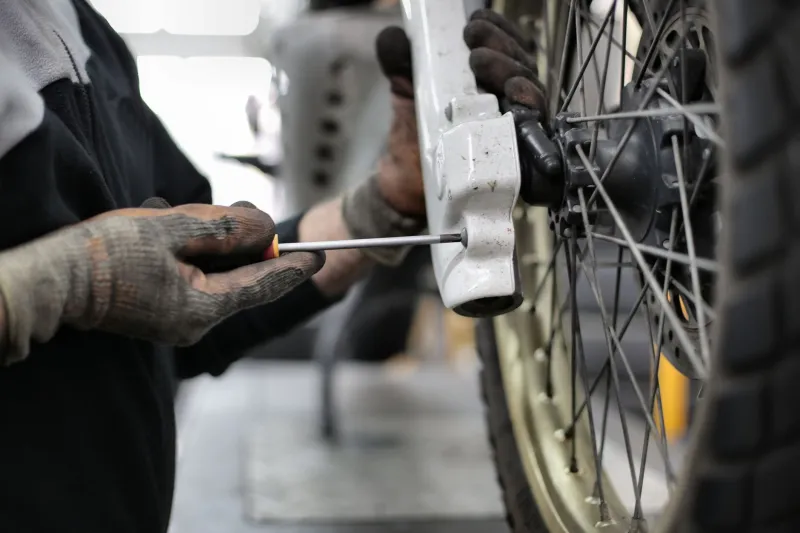
Cold Hands, Small Failures: The Winter Spares Kit That Earns Its Boat Space
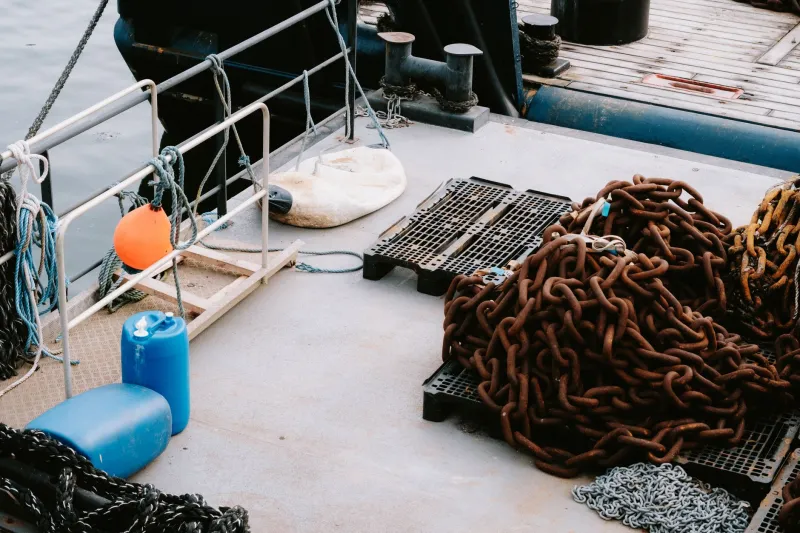
Winter racing has a way of exposing the small stuff. The forecast looks manageable, the club car park is full, and then someone loses a clevis pin on the way to the start line. Ten minutes later, a perfectly good race day is being rebuilt around a spare part that cost less than a round of teas.
The temptation is to build a giant toolbox and wedge it under the foredeck. That is not the answer. A cold-weather spares kit works best when it is built around triage: what actually stops you racing, what merely slows you down, and what can wait until you are back ashore with feeling in your fingers.
Start With Triage, Not a Shopping List
Before you buy anything, ask a blunt question: which failures would end my day on the water? For most dinghy sailors in a UK winter series, the list is short. A missing clevis pin or split ring on the rig. A shackle that has opened up at the wrong moment. A control line that has snapped or jumped a block. A sail fitting that has pulled through. A glove that is so wet and cold that you cannot tie a knot.
Those are the jobs the boat kit has to solve. Everything else — the spare trapeze harness, the full socket set, the roll of shock cord you have been meaning to cut — belongs somewhere else. The boat bag is not a workshop. It is a first-aid kit for the rig.
A useful rule for 2026 winter events: if you cannot fit the fix with cold hands in under ten minutes, the part should probably live in the car. If it needs heat, a vice or a second pair of dry hands, it definitely belongs ashore.
The Boat Bag: Only What Cold Hands Can Fit
The boat bag should be small enough to live in the same place every week. A pencil case, a small dry bag or a laced pouch under the foredeck all work. The point is not to carry everything. The point is to know exactly where the useful things are when your hands are numb and the start sequence is running.
Mine is built around a few categories. Fasteners first: a handful of clevis pins and split rings in the sizes your boat actually uses. Tape them to a piece of card so they do not migrate into the bilge. Add two or three shackles — one small enough for a control line, one sturdy enough for a halyard or bow fitting. A short length of dyneema or strong cord is worth its weight in gold for lashings and temporary fixes. Rigging tape and sail repair tape cover a surprising number of sins, and a few cable ties can hold a fitting, a batten or a frayed rope end together long enough to get home.
Then there is the cold-weather layer: a spare pair of gloves, ideally thin enough to tie knots, and a buff or small hat. It is easy to laugh at the idea of carrying gloves in a spares kit until the first frostbite race when one glove goes over the side during a gybe. Suddenly it is not a spares kit. It is a survival kit for your hands.
A small multi-tool earns its place if it has pliers and a blade, but leave the full tool roll in the car. The boat bag should be light enough that you forget it is there until you need it.
The Car Kit: Warm, Dry and Slightly Overstocked
The car is the unsung hero of winter racing. It is the warm changing room, the drying room and the mobile workshop. A plastic box in the boot can hold the things that are too bulky or too rarely used for the boat: a proper tool roll, spare lines, a sewing kit, epoxy putty, electrical tape, a spare hat and gloves, a towel and a flask. If you are sailing a club winter series, the car kit is also where the spare change of clothes lives. Nothing ends a race day faster than being cold and wet before the first gun.
The car kit does not need to be glamorous. It needs to be dry, organised and checked once a month. A box of random shackles and half-used tubes of sealant is not a kit. It is archaeology.
Borrow From the Club Workshop Before the First Gun
One of the quiet advantages of UK club racing is the workshop behind the doors. Most clubs have a vice, a rivet gun, a heat gun, a tap and die set or at least someone who knows where the spare clevis pins live. The trick is to use it before the first gun, not after something breaks.
Before your next cold-weather regatta, take a five-minute walk around the workshop. Check what is available, ask who holds the key, and make sure you know how to borrow fairly. If you use the last split ring, replace it. If you borrow the club's sail repair tape, bring it back. The workshop is a shared resource, and in a busy 2026 winter series it will be busier than ever.
Temporary Fixes That Actually Work
A few fixes are worth practising before you need them. A cable tie threaded through a clevis pin hole can replace a missing split ring for a race or two. Rigging tape wrapped firmly around a shackle can stop the pin backing out. A dyneema lashing can take the load off a broken fitting long enough to sail conservatively back to shore. Sail repair tape works best when the sail is dry, but even a damp patch on both sides can reduce a tear.
The key is to treat every temporary fix as exactly that. Get round the course if it is safe, but do not pretend the boat is race-ready for the next heat. Fix it properly ashore, or pack it away and call it a day.
Pack for the Forecast, Not the Fantasy
A winter spares kit should shift with the weather. A light, chilly forecast may only need gloves and a spare pin. A blustery day with a long sail to the start line deserves extra tape, cable ties and a spare shackle. The kit is not a monument. It is a working pocket of useful things, and it should be audited after every event.
The best habit is simple: when you use something, replace it that evening. Do not leave the empty slot for next week. A spares kit is insurance, and the premium is a ten-minute check before you leave the house.
Cold-weather racing in the UK is brilliant when you finish the day with tired legs and warm hands. The pocket that wins race days is not the biggest one. It is the one with the right small parts in it, packed where you can reach them, and checked before the first gun.