From Boat Park Orphans to Start-Line Regulars: Building a Club Loaner Scheme That Works

Photo by Photo by BEN ELLIOTT on Unsplash on Unsplash
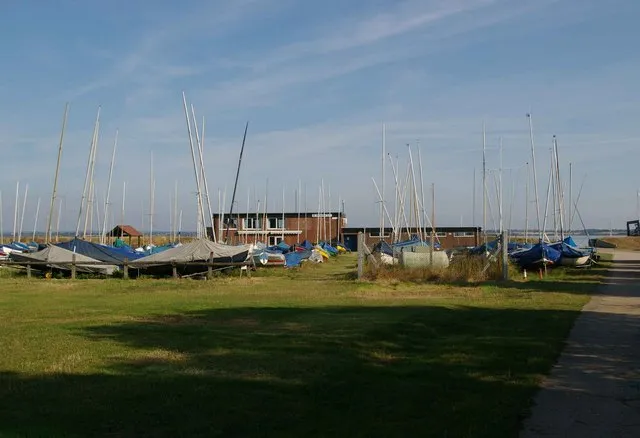
Walk through any UK dinghy park in November and you will see them: boats under tarpaulins that have not moved since August, hulls with names no one remembers, trolleys with flat tyres. They are not bad boats. They are just spare — and spare boats do not race. A loaner scheme changes that, but only if it is run like a fleet, not a jumble sale.
Start with the hulls you already own
Before anyone reaches for a cheque book, audit what is sitting idle. The best loaner boats are stable, simple to rig, forgiving in a breeze and cheap to maintain. Think club trainer classes, not someone’s cherished National 12. A boat that needs a specialist crew to keep it upright is not a loaner; it is a liability with a sail number.
Check the basics properly: buoyancy, foils, spars, control lines, trolley wheels and the trailer if it has one. If a hull needs more than a weekend’s work to be safe and sailable, park it for now. Three sound boats beat eight projects every time. A small club can launch a credible trial with a single class, because identical boats make coaching, spares and fair racing far easier.
The sign-out rules matter more than the boat
Insurance is the first hurdle, and it is rarely as frightening as club committees fear. Most UK clubs can add loaner use to an existing policy or arrange named-user cover, but the details matter: who is insured, what excess applies, and what happens if a boat is damaged or not returned. Put it in writing, keep it short, and get it checked by the club’s insurer rather than a bar-room expert.
Then build a simple approval process. New users should complete an induction, show basic competence and sign an agreement. An online booking sheet or a clipboard in the race office is fine — the point is that everyone knows who has which boat and when. Cap use at one or two sails a week per member, ban subletting, and require damage to be reported before the next booking. That is not bureaucracy; it is what stops a loaner fleet becoming a free-for-all.
Maintenance is a rota, not a rescue mission
Every loaner needs a boat buddy — one member who knows that hull, checks it monthly and logs defects. A shared spreadsheet is enough. Before each series, run a ten-minute inspection: shackles, cleats, rudder fittings, trolley tyres, buoyancy bungs. After each sail, the user rinses, checks and reports. If something breaks, the boat comes off the list until it is fixed. No exceptions, no heroic improvisation on the slipway.
Budget for a modest spares pot and a winter work party. A few hundred pounds of rope, shackles and trolley parts goes a long way when the fleet is small. The bigger saving is human: a rota spreads the load, and a log book means the next person does not have to guess what was wrong last time.
Handover is the real asset
Handing over a key is not the same as handing over confidence. Pair every new loaner user with a buddy for their first two outings. Walk them through the rig, the launch, the return and the local quirks — the shallow patch, the gust off the clubhouse, the trolley that pulls left. Then send them out with a simple plan: one start, one lap, one thing to work on.
This is where a loaner scheme earns its place in race craft, not just club administration. A supervised first sail and a short debrief turn a borrower into a racer far faster than a season of watching from the bank. Link the handover to existing training sessions and race briefings, and make it clear that the scheme exists to build crews, not just to move hulls.
A one-winter trial that fits real club life
November: audit the boat park and shortlist three hulls. December: confirm insurance, write the sign-out rules and recruit boat buddies. January: run an induction day alongside a club social. February: enter the loaners in low-key club races and midweek series. March: review bookings, damage, feedback and costs. If the trial works, expand slowly; if it does not, you have lost a winter, not a fortune.
Keep the first season deliberately small. One class, three boats, a named coordinator and a clear review date. Put the scheme on the club calendar next to the race programme so it becomes part of the season rather than an afterthought. A loaner fleet should feel like a route into racing, not a separate club within a club.
What good looks like
Success is not a packed booking sheet. It is a deeper start line: the lapsed sailor who races twice before Christmas, the newcomer who crews for a season and then buys their own boat, the visiting team who borrow a hull and come back for the open meeting. It is also fewer abandoned boats in the park and fewer excuses in the bar.
At Andrew Simpson Sailing we spend plenty of time on rigging notes, race craft and conditions. But the strongest race craft is getting people on the water in the first place. A loaner locker, run with clear rules and a bit of patience, does exactly that — one borrowed hull at a time.