Queue, Launch, Lend a Hand: The Winter Slipway Code Nobody Writes Down
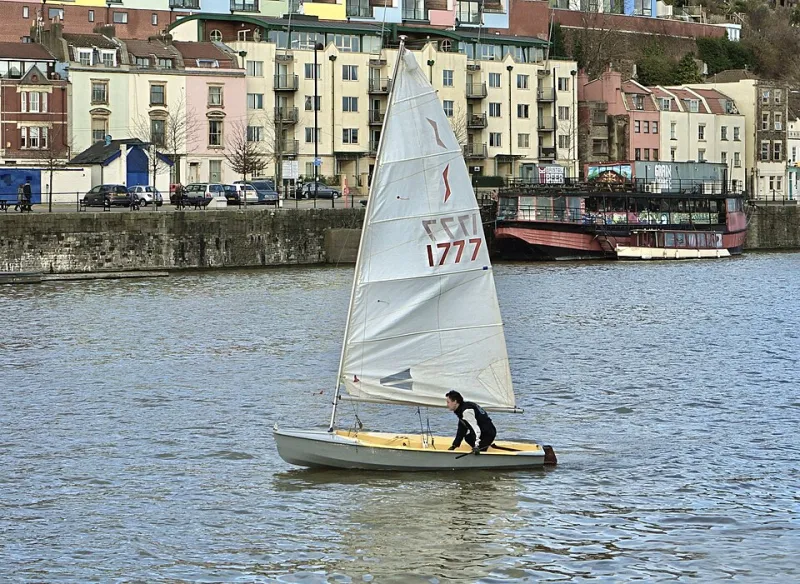
Photo: Anthony O'Neil , CC BY-SA 2.0, via Wikimedia Commons
Winter mornings at a UK sailing club have a particular rhythm. The car park fills before the light does, the tea urn starts its low rumble, and somewhere near the water a trolley is already in the wrong place. By the time the first gun goes, nobody remembers who launched first. They remember who blocked the slipway.
The slipway is not the glamorous end of our sport. It is, however, where a winter fleet either works together or quietly grinds to a halt. At Andrew Simpson Sailing, our winter training days and club racing mornings have taught us the same lesson: recovery etiquette is not admin. It is safety, it is pace, and it is the reason everyone gets home before dark with fewer gelcoat repairs and fewer silent resentments.
The queue is a safety system
A busy slipway looks chaotic from the car park and surprisingly orderly from the water. The order is rarely written down. It is read from tide, forecast, class starts and who arrived first. The mistake is treating the queue as a formality rather than a system.
If you are near the front, be quick but not frantic. Cold hands and rushing are a poor combination, especially around shackles, trolley pins and trailer couplings. If you are further back, be useful. Hold a bow, take a loose trolley back up the slope, or ask the next crew whether they need a hand. The fleet moves faster when the people waiting do something other than wait.
And if you are late? Say so early. A quiet word with the bosun or the person organising the launch queue is far better than an optimistic attempt to squeeze in between two boats. Winter daylight does not reward optimism.
Trolley geography matters more than you think
A launching trolley parked at the water’s edge is a handbrake on the whole fleet. It is also, on a frosty morning, a trip hazard with a mind of its own. The rule is simple: park where you will need the trolley, not where it is easiest to leave it now.
That usually means thinking one step ahead. Where will you retrieve? Which side of the slipway will be clear when the fleet returns? Is your trolley blocking the hose, the pontoon access or the route to the changing rooms? A few seconds of trolley geography saves several minutes of collective shuffling later.
It also helps to know your own boat. If your trolley has a habit of rolling, chock it. If your road trailer is staying in the car park, keep it out of the turning circle. If you are sharing a trolley, agree who has it and when. These are small things, but small things multiply on a narrow slipway.
The two-minute favour
The best winter fleets run on small, unglamorous favours. Holding a bow while someone pulls on a drysuit. Taking a trolley back up the slope. Catching a boat that has drifted sideways while its helm fumbles for a mainsheet. None of it takes long. All of it keeps the queue moving.
Ask before you grab, though. A helpful hand on the wrong shroud can be worse than no hand at all. A simple offer—want me to take your trolley?—is usually enough. And if someone helps you, acknowledge it. A nod is fine. A grunt is acceptable. Silence, repeatedly, starts to look like a policy.
This is especially true on recovery. The last beat of the day is not the final race. The slipway is. Boats arrive tired, sails are heavy with cold water, and everyone wants to be in the changing rooms. That is precisely when a two-minute favour pays for itself.
Cold hands, clear jobs
Winter slipway work is not the time for multitasking. One job at a time, with gloves that actually work, beats a heroic attempt to do everything at once. Keep the trolley under the boat, keep the painter clear, and keep the slipway channel open.
It also helps to plan recovery before you come ashore. Which side are you landing? Where is your trolley? Is the sail down far enough to avoid a gust on the slipway? A little pre-planning on the water prevents the classic winter scene: three people holding a boat sideways while a fourth searches for a trolley pin in a pocket full of nothing.
At our winter sessions, we have started treating the slipway as part of the briefing. Not a long lecture, just a couple of lines: trolleys here, hose there, keep the middle clear, help the next crew. It sounds basic because it is basic. Basic is what works when the light is going and the temperature is dropping.
Keep the conversation ahead of the resentment
Most slipway friction comes from unspoken expectations. Someone assumes they have right of way. Someone else assumes a trolley will be moved. Nobody says anything, and by the third Sunday the clubhouse has a new seating plan.
A better approach is to say the obvious thing out loud. I’ll take your trolley if you take mine. Give me two minutes and I’ll be clear. Do you need a hand with that bow? It is not officious. It is just communication, which is what we claim to practise on the water anyway.
The slipway is part of the race. Not because we are timing it, but because a fleet that launches and recovers well gets more sailing, less stress and fewer quiet resentments. In winter, that is worth more than a good first beat.