The Away Leg: First Open Meeting, No Heroics Required
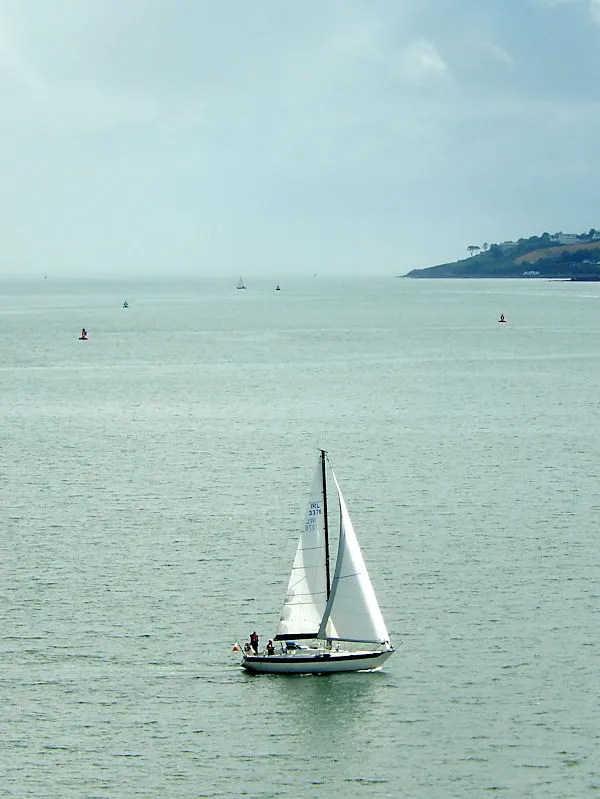
Photo: kevin higgins , CC BY-SA 2.0, via Wikimedia Commons
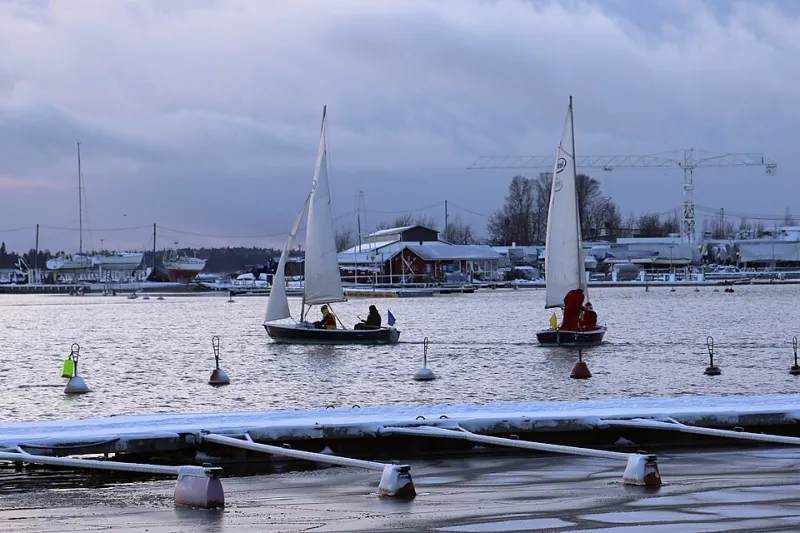
Club racing gives you a comfortable cast of characters. You know who goes left, who pinches, who will definitely shout at the windward mark. An open meeting removes that safety net. Suddenly the fleet is bigger, the names are unfamiliar and the start line looks like a bus queue that has learned to sail. That can feel intimidating. It can also be the fastest learning curve available to a dinghy sailor.
At Andrew Simpson Sailing we are interested in the unglamorous parts of racing as much as the glamorous ones. The first open meeting is a classic unglamorous part. Nobody arrives as a finished article. The goal is not to win the event. The goal is to come home with a clearer idea of what fast looks like, what a busy start line demands and what your own boat still needs.
Start with the paperwork, not the podium
The notice of race and sailing instructions are not admin. They are the race course in written form. Read them before you enter, not on the morning of the event. Check the schedule, the briefing time, the number of races, the launch and recovery arrangements, and whether there is any measurement or class compliance check. If the event uses a different handicap system or a class-specific rule, make sure you understand it.
Enter early. It gives the organisers a realistic number and it gives you one less thing to worry about. If you are unsure about anything, email the club. Most open meeting organisers would rather answer a question on Wednesday than solve a problem on Saturday. Ask about trolley storage, rigging space, parking and whether there is food on site. These details sound small until you are circling a strange boat park with a trailer and a rising sense of doom.
The week before: one boat job, one kit pile
Do not rebuild the boat. The week before your first open meeting is not the time for a new control system or a science project involving rope. Pick one useful maintenance job and stop. Check the rig tension, look over the foils, inspect the trolley tyres, replace any frayed lines and make sure the bung is where it should be. If something has been niggling you at club racing, fix that. Leave the rest alone.
Then build a kit pile. Not a wardrobe, a boat list. Spare shackles, pins, tape, a short length of rope, a batten, a basic tool kit and a sponge will cover most small disasters. Add warm layers, waterproofs, boots, gloves and a hat. UK open meetings can serve up four seasons before the first race, so pack for the forecast and then add one more layer. A flask and some proper food are not luxuries. They are race equipment.
Forecast planning: three plans in one bag
A coastal club and a reservoir club read the same wind arrow very differently. Before you travel, look at wind direction, strength, tide and the shape of the venue. If you can, ask someone who has sailed there before. A quick question about the usual shifts, the tide line or the chop at the windward mark can save you a whole race of confusion.
Have a plan A, B and C for the rig. Plan A is the forecast. Plan B is what you will do if it is windier than expected. Plan C is what you will do if the wind shuts down and the race becomes a drift. You do not need to be a weather guru. You just need to avoid standing in the boat park wondering whether to change anything while the first gun is going up.
Arrive early, walk the ground
Aim to arrive with time to spare. Walk the route from the boat park to the water. Find the launch ramp, the trolley park, the briefing room and the toilets. Watch where the locals rig. Look at the start line if you can see it. Note the committee boat, the pin end and any transit that might help you judge the line. This is not cheating. It is basic reconnaissance.
At the briefing, listen for the things that are specific to that venue: launching times, course changes, safety arrangements. Ask a question if something is unclear. Nobody minds. The sailors who pretend to understand everything are usually the ones who sail to the wrong mark.
On the water: big fleet, small decisions
A bigger fleet does not require braver sailing. It requires cleaner decisions. Start conservatively. Find a lane with clear air, even if it is not the glamorous end of the line. Get away from the chaos, sail your own first beat and take the shifts you can see. If the fleet is much deeper than your club series, do not try to win the first race from the pin end. Try to have a clean start, a sensible first beat and a mark rounding that does not involve raised voices.
Process goals are your friends here. A good launch, a clear lane, a tidy tacking angle, a calm leeward mark. These are things you can control even when the results are not what you hoped. The bigger fleet is not a threat. It is a moving classroom.
The debrief: three lines before the bar
Before the stories start, write three lines in your phone or notebook. What worked. What failed. What you will try next time. That is it. Do not write an essay. Three lines are enough to turn a day of racing into something useful.
Then talk to people. Ask the sailor who beat you what they saw on the first beat. Ask about rig settings, starting strategy or local tide. Most dinghy sailors are generous with information once the racing is over. The trick is to listen more than you talk. The bar is for friendship and exaggeration. The debrief is for learning.
The drive home and the next club race
On the way home, pick one thing to take back to your club series. It might be a starting routine, a rig setting, a way of reading the breeze on the first beat. Do not try to change everything. One change, practised properly, is worth more than five half-understood ideas.
Your first open meeting will probably not feel like a triumph at the time. You may be mid-fleet, or further back. But you will come home with a better sense of what the wider fleet is doing and how your own boat fits into it. That is the real prize. The second open meeting will feel easier. The third will feel normal. And somewhere along the way, the club racing you thought you knew will start to feel sharper too.