Pocket Coach: Three Clips, One Change, a Sharper Winter Series
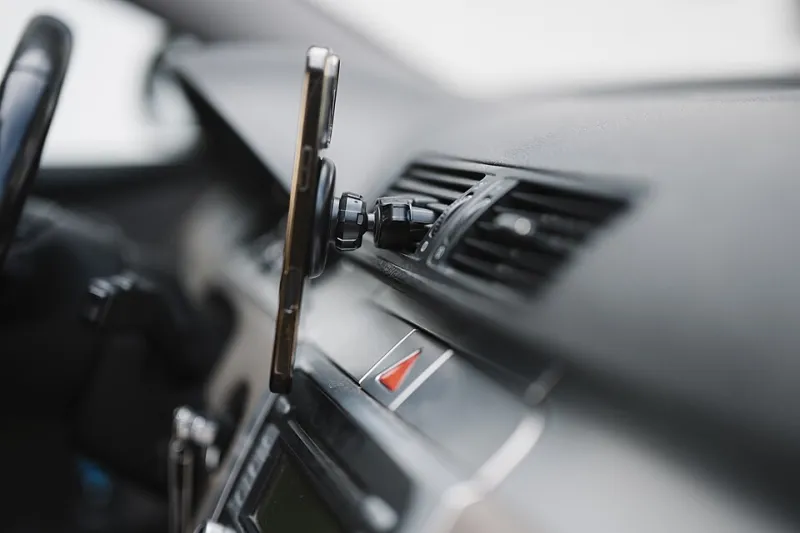
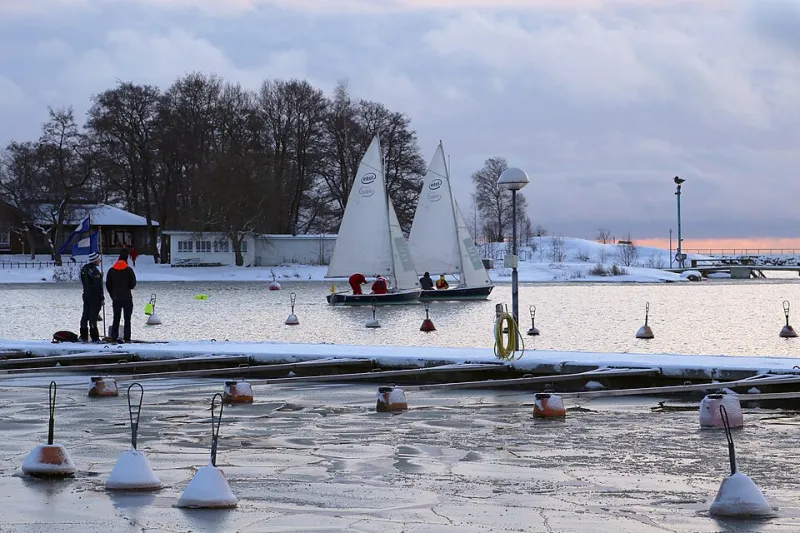
Photo: Shixart1985, CC BY 2.0, via Wikimedia Commons
Winter series racing around the UK is a test of memory as much as skill. The light goes early, the fingers go numb, and by the time you are back in the bar the start feels like something that happened to somebody else. A phone clamped to the boat will not make you faster on its own, but it will give you something the bar-room debrief rarely does: a record you can pause, rewind and quietly argue with.
Keep the kit small and the rules clear
Start with the phone you already own. Add a waterproof pouch with a lanyard, a simple clamp or suction mount, and a cheap microfibre cloth. That is the whole film school. The mistake is turning up with a tripod, two cameras and a plan to edit a highlights reel. The aim is not content. The aim is a clearer picture of what actually happened in the last two minutes before the gun.
A forward-facing mount on the transom or pushpit is the simplest option for most dinghies and small keelboats. It shows sail trim, heel, crew movement and the first beat without asking anyone to hold a camera. If you are racing from a club committee boat, ask the race officer before clamping anything to the rail. A phone that slips off a moving deck is a litter problem and a distraction nobody needs.
Check your club's rules and ask before filming other boats close up. A quick nod at the briefing is enough. Winter racing is small and friendly; nobody wants to feel like they have wandered onto a film set when they are trying to find the windward mark.
Two angles worth having
If you only run one camera, run it forward. A transom angle looking up the boat gives you the most useful information for club racing: how flat the boat is, where the crew weight is sitting, whether the jib is strapped in too hard, and what the first beat looked like from your own deck. It is not glamorous footage. It is honest footage.
A second angle, if you have a second old phone or a friend on the committee boat, can cover the start line. A stern-facing clip shows your position relative to the fleet, the transit, and how much space you left at the pin. That is valuable, but it is a bonus. Do not let the second camera become the reason the first one never gets watched.
Mast-height mounts are tempting because they show wind on the water, but they are fiddly, heavy on battery, and often just show a lot of sky. A forward-facing transom clip plus a notebook will beat a clever rig you never review.
Cold hands, warm footage
UK winter sailing is hard on phones. Condensation is the enemy, and a cold battery drains faster than you expect. Keep the phone in an inside pocket until the last safe moment, seal it in the pouch ashore, and bring a small power bank for the journey home. A glove-friendly case or a pouch you can open with cold fingers is worth more than a fancy mount.
Do not review footage on the water. It is a distraction, it drains the battery, and it takes your eyes off the race. Film it, forget it, and look at it on a Tuesday evening with a cup of tea and the heating on. If the wind is over 20 knots, consider leaving the phone ashore. A lost phone over the side is a bad end to a good race, and no clip is worth a scramble on a cold beat.
The three-clip routine
This is the part that turns footage into gains. Do not watch the whole race. Watch three clips, no more than ten minutes in total, within 48 hours of racing.
Clip one: the start. Find the final 90 seconds before the gun and the first 60 seconds after it. Watch where you were, where the line was, and what you could actually see. Ask one question: did I start where I planned to start?
Clip two: the first tack or the first sustained beat. Watch 45 seconds of boat handling and trim. Look at heel, heel angle, jib leech, and whether the crew moved before or after the tack. You are not looking for perfection. You are looking for a pattern.
Clip three: one mark rounding or the finish. Pick a moment where the race changed. Watch how you approached, how wide you went, and where you ended up. A mark rounding is often the clearest evidence of whether the boat was set up for the next leg or just surviving the last one.
Three clips, ten minutes, one notebook. That is the whole session.
One change, written down
After watching, write a single sentence. Not 'sail faster'. Not 'get better at starts'. Something you can check next week. For example: 'At the pin I was two boat lengths back at the gun; next race I will start on starboard at the committee boat end and tack early if the left is favoured.'
One change per race is enough. Across a ten-race winter series, that is ten small changes, which is far more than most crews make in a season of bar-room theories. The phone is not a coach. It is a mirror. The change is the coaching.
Do not turn the boat park into a film set
There is a temptation to film everything, post everything and turn a cold Sunday into a content shoot. Resist it. Keep the clips private unless everyone involved is happy. Do not film safety incidents, rescues or other sailors in difficulty. Do not fly a drone over a club race without explicit permission. And do not spend more time adjusting the mount than you spend looking at the wind.
The best winter video habit is almost boring. One phone, one angle, three clips, one note. It fits in a kit bag. It survives cold fingers. It does not need a tripod, a laptop or a committee meeting.
The payoff by February
By the end of the winter series you will have a small file of evidence: starts, tacks, mark roundings, and the one change you promised yourself each week. That is a far better record than a handful of half-remembered stories in the bar. And when the spring series arrives, you will already know which habits followed you through the cold months.
Film less than you think you need. Watch more carefully than you think you have time for. Change one thing. The winter series is short, the light is shorter, and the phone in your pocket is already the cheapest coach in the boat park.