Cold Nights, Hot Debates: Building Rules Confidence One Clubhouse Session at a Time
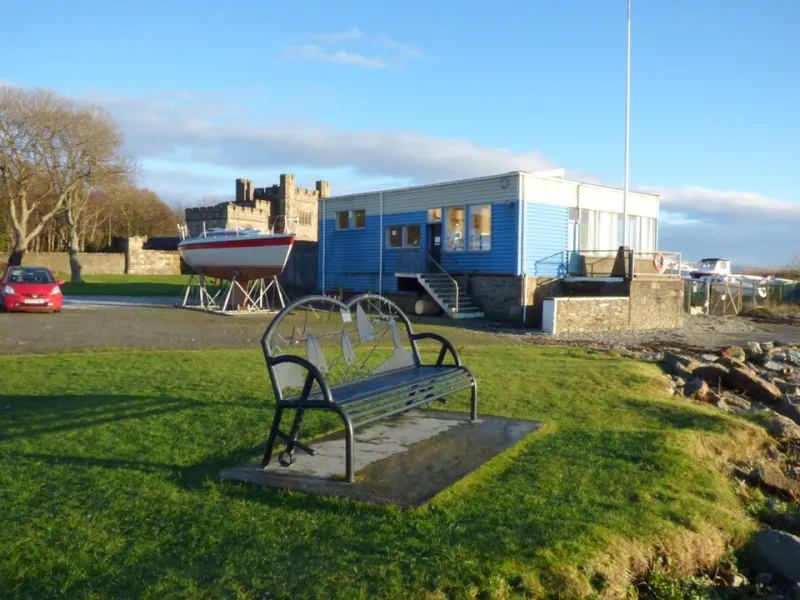
Photo: Thomas Nugent , CC BY-SA 2.0, via Wikimedia Commons
The first rules evening I ever ran pulled in eleven people. Nine were committee members, one was my father, and the eleventh left at half time to check on his trailer. Two winters later we had to raid the cadet room for extra chairs. The difference had nothing to do with my grasp of Rule 18 and everything to do with how the evening was built.
That's the premise worth starting from: a rules night is a training session, not a lecture. We plan training days obsessively — the briefing, the drill, the debrief, the tea. A clubhouse evening deserves the same care, and it pays the same dividend. Sailors who understand mark-room and overlap don't just win more protests. They give away fewer places at the leeward gate in April.
Nobody learns Rule 10 from a projector
The default format is a well-meaning member reading clauses aloud while a slide shows the same text in a slightly larger font. It is free, it is easy, and it empties a bar faster than a force six.
Rules are a visual, physical, argumentative subject. They're about two boats close enough to hear each other's sheets. So show boats. A camera phone clipped to a mark layer, a GoPro on the transom, even a dash of footage from a club rib all beat a slide deck. And if you have no footage, use the table: two plastic cups, a salt cellar and a bit of string can stage a windward mark rounding convincingly enough to start a proper argument.
Five cases, not fifty
Temptation says cover the whole book. Reality says cover five incidents and cover them well. Our best sessions have been built entirely from things that actually happened during the 2026 season, chosen by asking members in December what still niggled.
Give each case a name, folk-song style. The One at the Harbour Mouth is funnier and more memorable than Scenario 3: Rule 10, Head-On. It also means people arrive already invested, because they've heard the story in the dinghy park.
The flashpoints that keep coming back on UK estuaries
Some incidents repeat so reliably that they deserve permanent slots:
- The harbour entrance with tide running. Port and starboard where the tide is doing more steering than the helm. The tacking question is rarely the real question.
- Barging at the committee boat. Light air, big fleet, one gap that looks wider from twenty metres away than it does from five.
- The leeward mark in foul tide. Overlap gained, overlap lost, and a boat that genuinely believes it was inside.
- Mark-room when the wind dies under a headland. The mark rounds in slow motion and everyone's memory of who was where becomes creative.
- Rule 42 in a drifter. The most watched rule in club racing and the least agreed upon.
Pick the two or three that match your water and ignore the rest. A lake sailor and a Solent sailor have different flashpoints, and there's no prize for covering both.
The five-minute case: a format that works
This is the engine of the evening. Run each case in a fixed shape so nobody can filibuster.
- Thirty seconds of evidence. A clip, a diagram, or two witnesses reading from notes written immediately after racing.
- Sixty seconds of accounts. The two parties get half a minute each. No interruption.
- Ninety seconds at the table. Each table of four reaches a verdict — who was in the wrong, and which rule applies.
- Two minutes of verdicts. Tables compare. Disagreement here is the point, not a problem.
- One minute of resolution. The facilitator names the rule, quotes the key phrase, and points to the relevant case or appeal so people can read on afterwards.
Five cases, four minutes each once you're flowing, plus change. That's a twenty-five-minute core to the evening with more actual learning in it than an hour of slides.
Run it like a friendly protest, not a tribunal
A few rules of the room keep it enjoyable:
- Mix the tables. Two keelboat sailors, one dinghy sailor, one person who has never protested in their life. The novice always spots the thing everyone else has stopped noticing.
- No shame, no scoring. Nobody is keeping a record of who got it wrong.
- Rotate the presenter. Different voices, different waters.
- Bring the paperwork. The case book and the appeals book in hard copy, open on a table, with a marker flag on anything relevant. People browse them in the gaps and it makes the whole thing feel like a resource rather than an exam.
- Keep it to ninety minutes. A rules night that overruns persuades people not to come to the next one.
The bit that makes them come back
The rules are the content; the evening is the product. Food helps. So does starting at the bar rather than a classroom, running the cases from a table with a drink in reach, and ending early enough that people stay and talk anyway.
One thing we added last winter did more for attendance than any of the content: a five-minute what would you have done slot at the end, taken from the following week's forecast and a bit of local geography. No protest, no verdict, just a show of hands. It sends everyone home thinking about their own boat rather than someone else's mistake.
What it buys you in the spring
Rules confidence is quiet until it isn't. It shows up as the leeward mark rounding where three boats fit through a gap that used to swallow two. It shows up as a helmsman who knows when to take a penalty turn without a debate. It shows up, mostly, as fewer protests — because half of club protests are two people who each half-remembered a rule from a night they'd rather forget.
So put a date in the diary while the water is cold and the diary is empty. Borrow chairs if you have to. It's the cheapest bit of winter training your club will run all year.